
The Small Structural Clues Arborists Watch Before a Heavy Limb Suddenly Gives Way
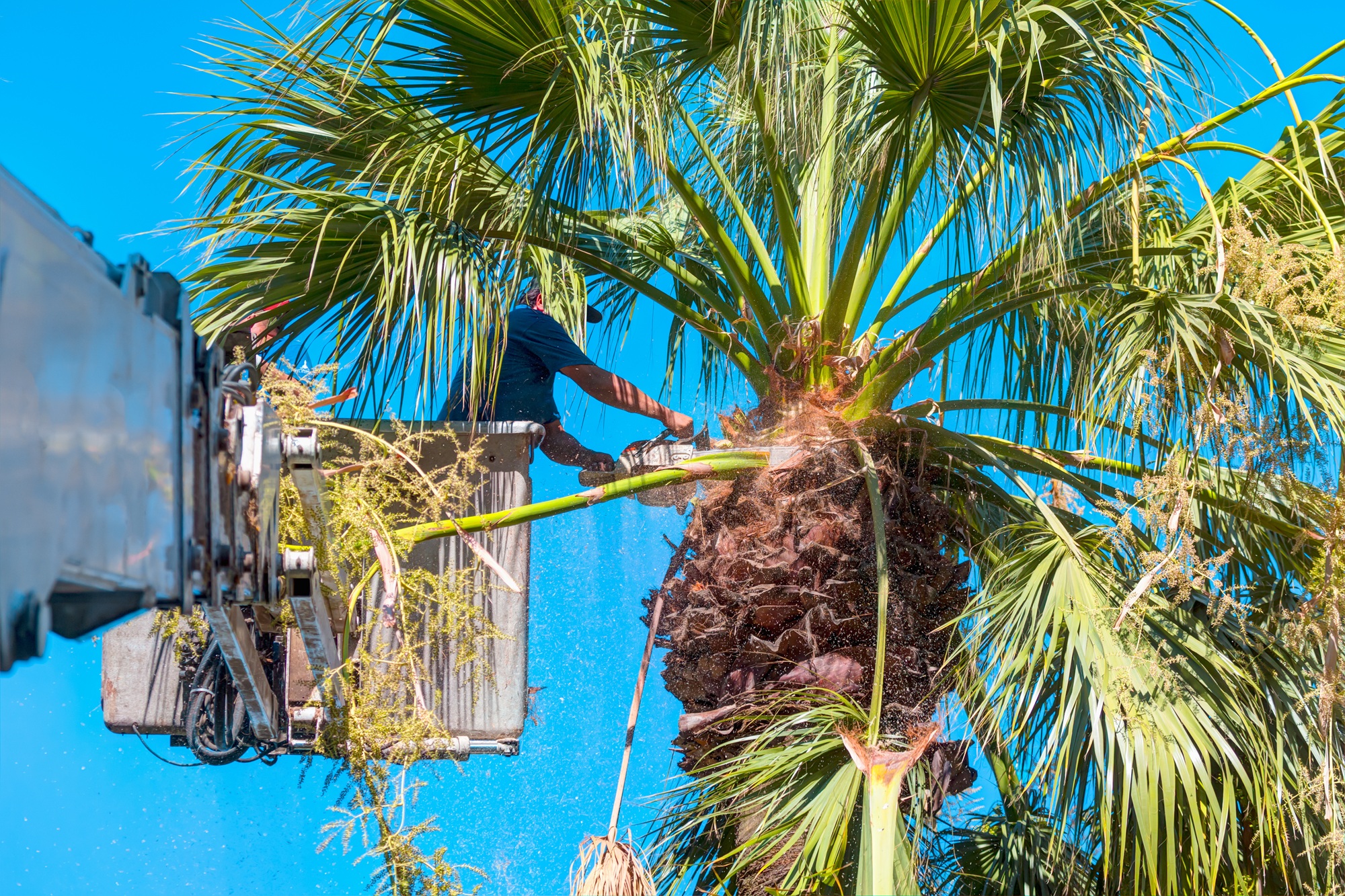
A tree rarely loses a limb without warning. The signs usually appear months or even years earlier through bark stress, uneven growth, weak branch unions or excessive canopy weight. That’s why tree trimming services involve far more than shaping branches for appearance. Tree trimming in Phoenix AZ projects often focus on identifying biomechanical stress indicators that signal potential limb failure before monsoon winds or heat stress make the situation dangerous.
Professional arborists evaluate structural weaknesses, canopy balance, growth patterns and internal stress loads during trimming to reduce the risk of limb breakage. Strategic pruning helps trees redistribute force safely while improving long-term tree health and structural stability.
Luxe Tree and Landscape approaches tree work with a preventative mindset. Instead of waiting for storm damage or emergency tree removal situations, the company focuses on early detection and long-term canopy management.
7 Structural Warning Signs Arborists Look for During Tree Trimming in Phoenix AZ
In desert climates like Phoenix, trees deal with unique environmental pressures. Extreme heat, drought stress and seasonal storms all influence structural behavior. That’s why professional tree care specialists examine far more than surface appearance during trimming projects.
Excessive Limb Elongation
Long horizontal limbs create leverage stress. The farther a branch extends outward, the more pressure develops at the attachment point.
Dense Canopy Pockets
Overgrown foliage traps wind resistance during storms. Selective thinning improves airflow and reduces twisting movement.
Deadwood Accumulation
Dead branches become rigid under stress and lose flexibility. They often snap unexpectedly during high winds.
Asymmetrical Growth Patterns
When one side of a canopy becomes heavier than the other, weight distribution shifts unevenly across the trunk and root system.
Cracking Bark
Visible bark separation near branch unions often signals internal stress movement or structural instability.
Internal Decay Indicators
Fungal growth, cavities and hollow sounds may indicate compromised wood strength beneath the bark.
Overextended Palm Fronds
Palm tree trimming helps reduce excessive weight buildup that commonly leads to falling fronds during storms.
Tree care specialists evaluate these indicators together rather than individually because trees function as interconnected structural systems.
Why Weak Branch Attachments Often Predict Future Limb Failure
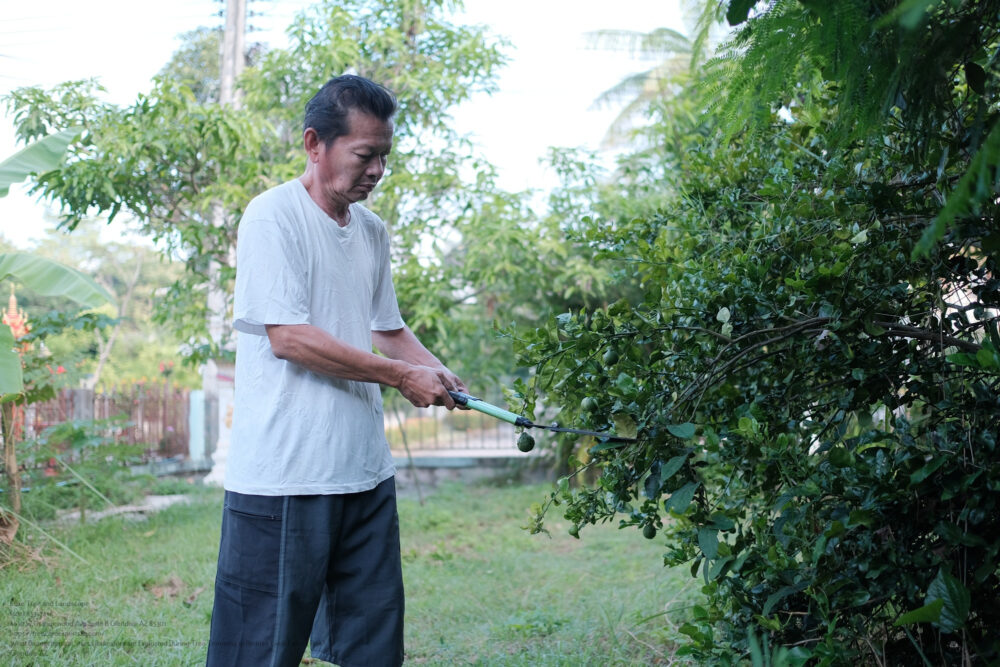
Some branches are structurally strong from the moment they form. Others are unstable almost immediately. One of the biggest biomechanical stress indicators that arborists evaluate is the branch attachment angle, where limbs connect to the trunk.
Wide attachment angles typically provide stronger structural support because wood fibers naturally overlap. Narrow V-shaped unions, however, often trap bark between stems. That included bark acts almost like a wedge inside the tree, preventing healthy structural bonding over time.
During the monsoon season, those weak unions experience extreme movement under wind pressure. Add heavy foliage weight, and the risk rises quickly.
ISA certified arborists frequently inspect for:
- Bark inclusions
- Branch separation
- Cracks around unions
- Excessive end weight
- Uneven limb growth
- Canopy imbalance
Tree pruning helps reduce the force on vulnerable attachment points before hazardous trees become emergencies. Luxe Tree and Landscape uses advanced techniques to identify these hidden weaknesses before they lead to visible failure.
According to the International Society of Arboriculture, structural pruning during early and mature growth stages can significantly reduce branch failure rates in urban environments.
Need Professional Tree Trimming Before Storm Season Arrives?
Contact Luxe Tree and Landscape today for expert canopy safety solutions.
How Wind Exposure Changes the Entire Risk Calculation in Phoenix
Not all tree species respond to wind in the same way. Desert willows flex differently from mesquite trees. Palms behave differently from mature ficus canopies. Local wind patterns also influence the development of structural stress.
In Phoenix, AZ, monsoon season creates sudden directional wind loads that trees may not experience during the rest of the year. A branch that appears healthy during calm weather may become unstable once strong gusts begin twisting the canopy repeatedly.
Professional tree service crews evaluate:
- Prevailing wind direction
- Branch oscillation movement
- Trunk taper strength
- Root anchoring conditions
- Surrounding structures
- Canopy density
Have you ever noticed a tree leaning slightly after a storm? That subtle shift can reveal deeper biomechanical stress inside the trunk or root system.
Luxe Tree and Landscape carefully considers environmental factors before recommending tree trimming or tree removal services. In some cases, reducing selective canopy weight prevents larger structural failures later.
The Hidden Relationship Between Tree Health and Limb Strength
Healthy trees resist structural failure better. It sounds obvious, yet many property owners separate tree health from mechanical stability when they’re deeply connected.
Trees under stress allocate resources differently. Drought conditions, compacted soil, poor soil management and nutrient deficiencies gradually weaken wood development. Over time, branches become more brittle and less able to withstand heavy loads.
That’s why tree fertilization often supports structural preservation as much as growth enhancement.
Professional tree care teams monitor:
- Leaf density changes
- Premature limb dieback
- Weak annual growth rings
- Root stress indicators
- Fungal activity
- Nutrient deficiencies
Certified tree specialists understand that reducing the risk of limb failure sometimes involves improving internal plant health rather than simply removing branches.
Luxe Tree and Landscape combines tree care strategies with trimming recommendations to help mature trees maintain flexibility and structural resilience under harsh Arizona conditions.
Why Tree Topping Often Creates More Safety Hazards Instead of Solving Them
Many homeowners still assume that tree topping makes trees safer because it reduces height quickly. In reality, topping frequently increases biomechanical instability.
When large sections of canopy are aggressively removed, trees respond by producing rapid regrowth shoots near the cut sites. These new shoots attach weakly and grow faster than naturally formed branches. Within a few years, topped trees often develop dense clusters of structurally unstable limbs.
That’s where major safety hazards begin.
Tree pros and ISA certified arborists generally avoid topping because it:
- Weakens natural branch architecture
- Increases decay exposure
- Accelerates stress growth
- Disrupts load distribution
- Shortens tree lifespan
Selective reduction pruning provides a safer alternative because it preserves natural growth patterns while gradually reducing excessive branch weight.
Luxe Tree and Landscape focuses on professional tree service methods that improve structural stability without sacrificing long-term tree health.
What Happens Internally After Strategic Branch Reduction?
Trees don’t heal like humans. Instead, they compartmentalize damage. After a branch is removed, the tree isolates the wound internally and redirects energy throughout surrounding tissues.
Think of it like rerouting traffic after a bridge closure. The load shifts elsewhere.
That’s why arborists evaluate how much canopy can safely be removed without overwhelming the tree’s internal support systems.
Professional tree trimming considers:
- Branch diameter ratios
- Energy storage capacity
- Canopy-to-root balance
- Species-specific growth response
- Seasonal timing
- Existing stress levels
Removing too much foliage at once can increase sunscald, weaken photosynthesis and create long-term instability. Skilled arborists use advanced equipment and calculated pruning techniques to minimize those risks.
This process becomes especially important for mature trees near homes, commercial properties or pedestrian areas where limb failure could create liability concerns or insurance coverage complications.
When Tree Removal Becomes Safer Than Structural Preservation
Not every tree can be stabilized through pruning alone. Some hazardous trees develop severe internal decay, root failure or irreversible structural damage, making preservation unsafe.
In those cases, tree removal in Phoenix may become the most responsible solution.
Emergency tree services often respond after:
- Major storm damage
- Split trunks
- Root plate movement
- Severe decay progression
- Fallen limbs near structures
- Lightning damage
Professional tree removal services involve careful biomechanical evaluation before dismantling begins. Arborists study lean direction, remaining structural integrity and surrounding obstacles to reduce property risk during removal.
Luxe Tree and Landscape handles tree removal, stump grinding services and Stump Removal with safety-focused planning designed to minimize disruption and protect nearby landscapes.
The company’s commitment to customer satisfaction also includes helping clients determine whether preservation or removal provides the safest long-term outcome.
Why Preventive Trimming Usually Costs Less Than Emergency Services
Emergency tree removal is almost always more expensive than preventative maintenance. Why? Emergencies involve higher risk, urgent scheduling, specialized equipment and potential property damage complications.
A mature limb crashing onto a roof during monsoon season can trigger costly repairs, insurance claims and hazardous cleanup conditions. Preventative trimming reduces those risks before they escalate.
Pricing for tree work varies based on:
- Tree size
- Canopy density
- Accessibility
- Storm damage severity
- Equipment requirements
- Local economic conditions
Routine inspections by certified arborists often identify structural problems early enough to avoid the need for emergency tree services.
Luxe Tree and Landscape emphasizes long-term professional tree care because proactive maintenance protects both trees and property investments.
Why Choosing Luxe Tree and Landscape is the Smart Decision
Trees communicate structural stress long before major failures happen. Cracks, dense canopies, weak branch unions and uneven growth patterns all reveal how force moves through a mature tree. The challenge is knowing how to interpret those signals correctly before storm damage or structural collapse occurs.
Luxe Tree and Landscape uses certified arborists, advanced techniques and years of experience to evaluate biomechanical stress indicators with precision. From selective tree pruning and palm tree trimming to tree removal and emergency tree services, the company focuses on reducing the risk of limb failure while preserving long-term tree health throughout Phoenix, AZ. When structural stability matters, proactive tree trimming in Phoenix AZ provides one of the most effective defenses against dangerous canopy failure.
Need Professional Tree Trimming Before Storm Season Arrives?
Contact Luxe Tree and Landscape today for expert canopy safety solutions.