
What Lies Beneath the Tree Can Be Just as Important as What Hangs Above It
A tree may look straightforward to remove, but its roots and nearby utility lines can make the work far more complex. For anyone considering tree removal in Glendale AZ, the first step should be understanding what lies below ground, where buried services run, and how the root system interacts with nearby structures. A professional tree removal assessment considers these hidden conditions before a cutting plan is selected.
Underground checks are not simply a precaution before equipment arrives. They help determine where crews can safely work, whether access needs to change, and how the tree can be dismantled while limiting disruption to the property. A careful assessment also helps identify when utility providers, specialist contractors, or additional permissions are required.
Why Underground Conditions Change the Removal Plan
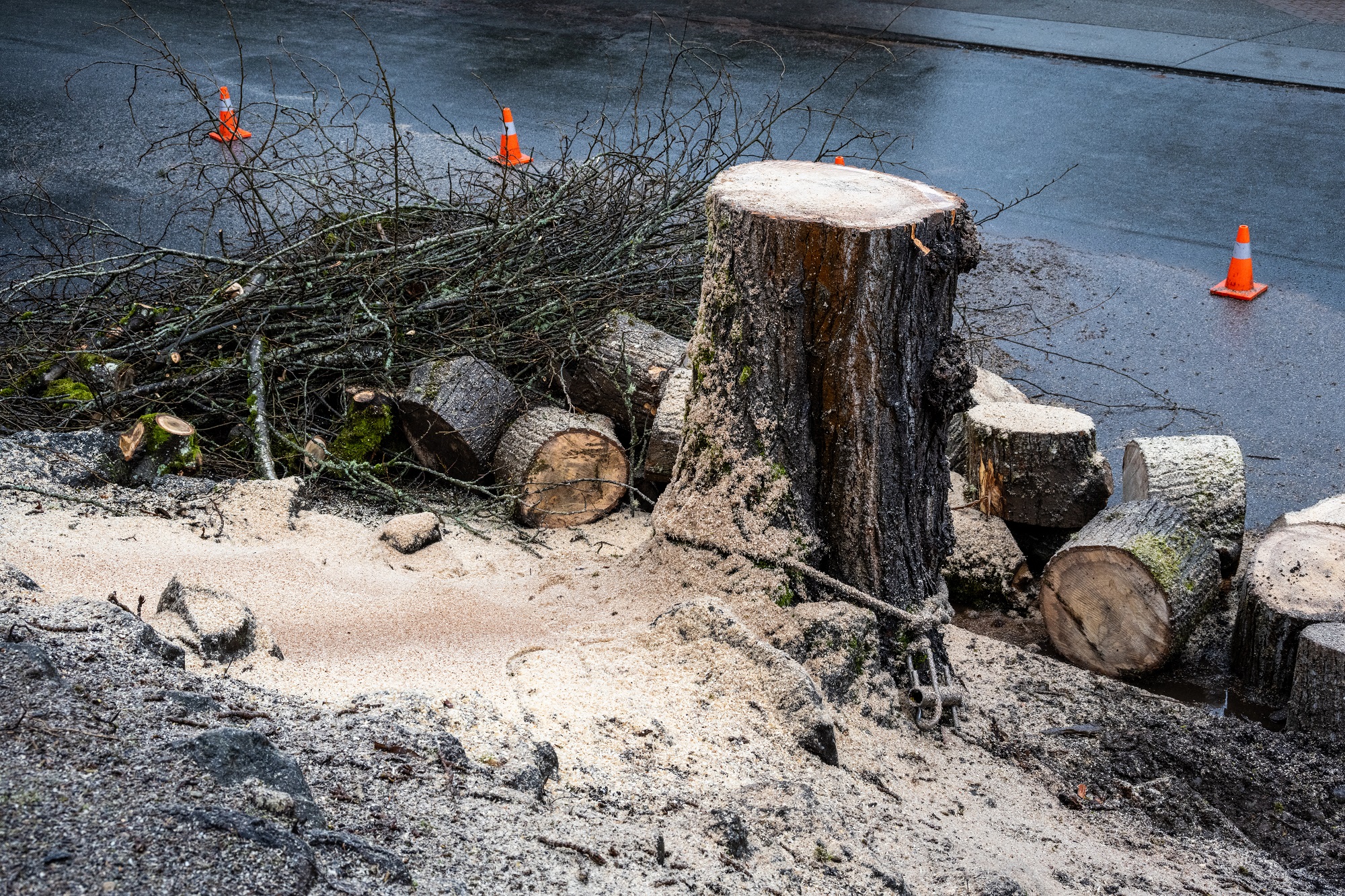
A tree’s visible trunk and canopy reveal only part of its structure. Its root system may extend beneath a driveway, patio, lawn, retaining wall, or neighboring property. Some roots also grow close to buried water, sewer, electrical, gas, and communication lines. Their location can influence where equipment is positioned and how the stump and major roots are handled.
The risk isn’t limited to striking a utility line. Excavation or heavy machinery can disturb soil around nearby trees, damage irrigation components, destabilize paving, or affect foundations when roots and structures are closely positioned. A tall tree may also require a different dismantling sequence if the ground around its base cannot safely support equipment.
In Glendale and the wider Phoenix area, dry conditions and compacted urban soils can make underground conditions difficult to judge from the surface. A tree may have a broad root network even when its visible base appears relatively small. A sound removal plan therefore considers the site as a whole, from roots to canopy.
What a Root-System Assessment Can Reveal
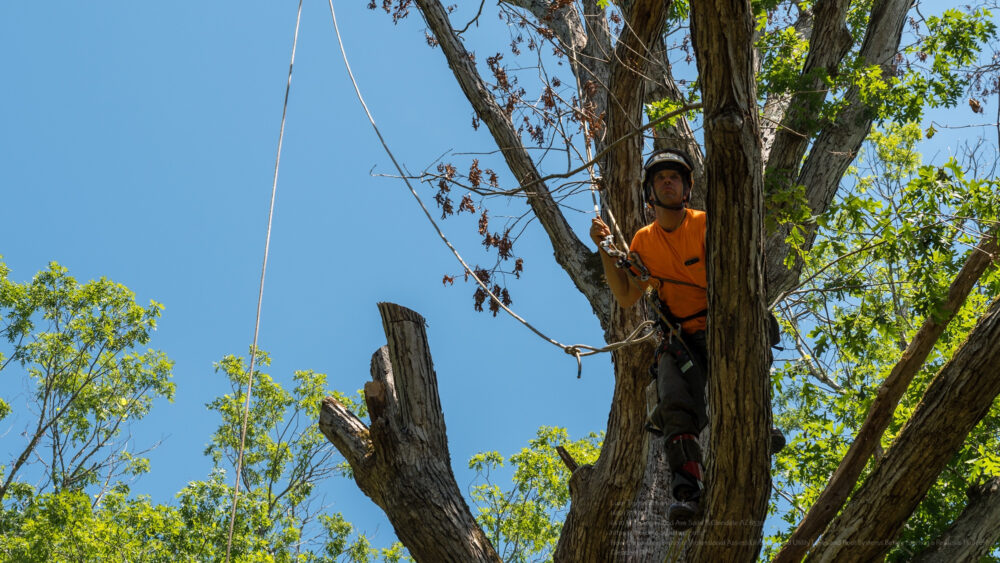
A professional root assessment begins with a visible assessment of the trunk. Surface roots, raised paving, soil cracks, exposed root flares, and changes in ground level can help indicate how the tree has developed and where its major roots may extend. The assessment also considers the species, age, trunk diameter, growing conditions, and the distance between the tree and nearby structures.
Roots don’t necessarily stop at the edge of the canopy. Depending on the species and site conditions, they can extend well beyond the branches, while many absorbing roots occupy relatively shallow soil. A root may be only inches deep in one area and deeper elsewhere, depending on moisture, soil structure, and available oxygen. The visible root flare provides useful information, but it cannot show the full underground network.
The condition of the roots matters as much as their position. Decay, severed roots, restricted growth, or soil disturbance can affect tree health and stability. ISA Certified Arborists and other qualified tree professionals use their knowledge of tree biology to interpret visible signs and determine whether further assessment is appropriate. The International Society of Arboriculture (ISA) provides helpful consumer resources on professional tree care, tree health, and the importance of hiring qualified arborists.
Need Professional Tree Removal?
Contact Luxe Tree and Landscape for a careful assessment and safe removal plan.
How Professionals Identify Buried Utility Lines
The first step is to review the property and identify where excavation, stump grinding, or other ground disturbance may occur. A professional may ask about previous landscaping, irrigation installations, home improvements, and known utility routes. Visible features such as meter boxes, electrical panels, cleanouts, and irrigation controls can provide useful clues, but they do not confirm the exact location of buried infrastructure.
Arizona property owners and contractors should contact Arizona 811 before excavation. The service notifies participating utility operators, which arrange for underground facilities to be marked with paint or flags. Arizona 811 advises contacting the service at least two full working days before digging. Its guidance covers underground electric, gas, water, sewer, telephone, and communication facilities.
These markings help crews understand where public or participating utility lines run, but they should not be treated as a complete map of every buried feature. Private irrigation lines, landscape lighting cables, and some property-specific installations may require separate identification. Property owners should share any available plans or records, while the removal team should clarify which features have been located and which still need investigation.
How Utility Markings and Root Locations Shape the Work Area
Once utility markings and visible root conditions have been reviewed, the removal team can compare the planned work area with the underground constraints. For example, a stump positioned close to a marked water line may require a different approach from one in an open lawn. A large root crossing beneath a walkway may also make aggressive grinding or excavation unsuitable without further consideration.
This stage is about selecting an appropriate method, not simply choosing the fastest equipment. The team may need to adjust machinery access, restrict ground disturbance, or coordinate with a utility provider. Where a line’s location remains uncertain, work that could affect it should not proceed until the uncertainty has been resolved.
Property owners can support this process by sharing details about previous repairs, additions, and landscaping projects. A customized plan should identify the tree, the intended removal area, known underground conflicts, access limitations, and any work that requires separate coordination. A written quote should also make clear what the proposed tree removal includes, particularly whether stump removal or grinding is part of the agreed scope.
Why Nearby Power Lines Require Separate Attention
Underground utilities are only one part of the assessment. Overhead power lines create a different hazard because branches, trunks, rigging equipment, and cutting tools may enter an energized clearance zone during removal. A tree that leans toward a line or has branches growing around it requires careful planning before anyone starts cutting.
Homeowners should not attempt to move branches, attach ropes, or operate ladders and tools near power lines. If a tree is touching a line, has fallen onto one, or appears to pose an immediate electrical hazard, people should keep their distance and contact the utility provider or emergency services, as appropriate. Only authorized utility personnel or properly qualified professionals should handle work involving energized electrical infrastructure.
Strong winds and storm damage can complicate the situation. A split trunk or hanging limb may shift unexpectedly, altering the tree’s position relative to nearby lines. Emergency tree services may be necessary when a damaged tree presents an immediate threat, but urgency does not remove the need for utility coordination and safe work boundaries.
When Specialized Equipment or Additional Coordination is Needed
Some removals can be completed with conventional climbing and cutting methods, while others require specialized equipment. Restricted access, a large trunk, nearby buildings, delicate landscaping, and underground infrastructure can all influence the choice. Crane-assisted removal, for example, may be considered when sections need to be lifted away from a confined area. However, the crane’s setup location and ground-bearing requirements must also be evaluated.
The removal plan should account for the weight and movement of each section, available clearance, and where cut material will be lowered or placed. A tree may be dismantled in smaller sections to reduce the space needed for controlled lowering. However, equipment selection depends on the actual site conditions, not simply the tree’s height or diameter.
Insurance and worker protections also deserve attention. Before hiring a contractor, property owners can ask for proof of liability insurance and workers’ compensation coverage, along with a clear explanation of the work included in the estimate. These checks don’t replace technical planning, but they help clarify responsibility if property damage or a work-related injury occurs.
What Property Owners Should Confirm Before Work Begins
A reliable pre-removal discussion should leave the property owner with a clear understanding of the proposed work. It should cover which utility markings have been obtained, whether private lines or irrigation systems need separate attention, and how the crew plans to limit disturbance around roots and nearby structures. If the project involves a shared easement, managed property, or restricted access, the relevant parties may also need to be consulted.
It is useful to confirm whether the estimate includes only above-ground tree removal or also covers stump grinding, root removal, hauling, and cleanup. These are different tasks. Grinding a stump does not remove all roots, and attempting to extract large roots can cause additional ground disturbance. A property owner should also ask whether repairs to irrigation, paving, or landscaping are excluded from the quoted work.
Tree health can also influence the decision. A tree with extensive decay, damaged roots, or a compromised trunk may need prompt attention, while a tree with manageable structural issues could have other management options. Expert pruning, professional tree cabling, or bracing systems may be considered in some situations, but these approaches are not substitutes for removal when a tree cannot be retained safely.
A Better Removal Starts With a Clear Picture of the Site
A successful tree removal project depends on more than choosing where to make the first cut. Utility markings, root locations, soil conditions, access, and nearby structures all help determine a suitable approach. Careful planning can reduce avoidable damage and give the crew a clearer understanding of the work before equipment reaches the property.
Luxe Tree and Landscape provides tree removal services for properties in the Phoenix area. Property owners considering a removal in Glendale can discuss the tree, site access, and visible underground concerns with the company before work is scheduled. For tree removal in Glendale AZ, a site-specific plan is the sensible starting point.
Need Professional Tree Removal?
Contact Luxe Tree and Landscape for a careful assessment and safe removal plan.