
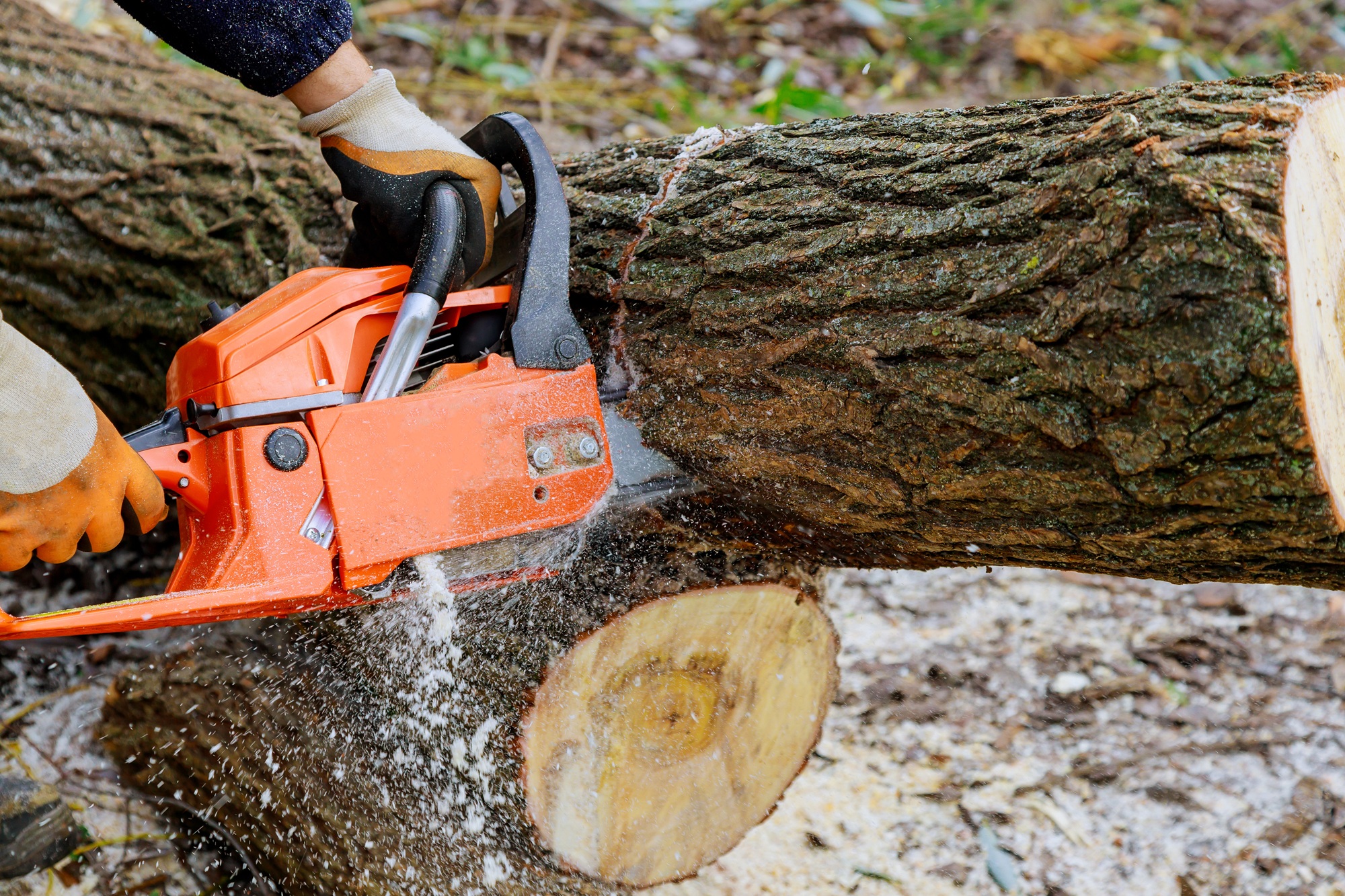
What Happens Inside a Mature Tree After Every Strategic Cut Might Surprise You
Large mature trees don’t just grow upward. They constantly redistribute weight, respond to wind pressure, adapt to sunlight and compensate for structural stress across every season. That’s why professional tree trimming in Phoenix AZ plays such a critical role in long-term canopy stability. In regions like Phoenix, where heat, monsoon-season winds and rapid growth cycles collide, tree-trimming services often focus less on appearance and more on load management, branch mechanics and tree health preservation.
A properly trimmed canopy helps mature trees balance structural weight, reduce stress fractures and adapt to seasonal growth patterns. Strategic pruning changes how force travels through limbs, especially during high-wind events, summer expansion and drought recovery periods.
Luxe Tree and Landscape approaches trimming with a structural mindset rather than solely cosmetic cuts. That distinction matters more than many property owners realize.
5 Hidden Structural Forces that Tree Trimming Quietly Corrects
Uneven Canopy Drag
Dense upper canopies catch more wind resistance. Strategic thinning allows air to move through the structure, reducing torque pressure during storms and lowering safety hazards around homes and commercial properties.
Limb Leverage Overload
Long horizontal branches create massive leverage stress at attachment points. Tree pruning reduces excess weight at the ends of limbs, so the force is redistributed closer to the trunk.
Competing Growth Leaders
Mature desert willows and other fast-growing tree species often develop multiple dominant stems. Without intervention, these stems compete structurally, increasing splitting risk.
Deadwood Concentration
Dead branches don’t flex naturally during storms. They become rigid failure points that interrupt healthy load transfer across the canopy.
Sunlight Imbalance
Trees naturally shift their weight toward stronger light. Careful palm tree trimming and canopy balancing help reduce uneven directional growth over time.
Luxe Tree and Landscape uses advanced techniques and advanced equipment to evaluate how every cut influences the tree’s future growth behavior, not just its immediate appearance.
Why Mature Trees Shift Weight Differently During Seasonal Growth Cycles

A young tree distributes weight fairly evenly because its branch system is still developing. Mature trees behave differently. Over decades, limbs expand asymmetrically, trunks compensate for stress, and roots adapt to changing soil management conditions. Eventually, the canopy becomes a complex network of competing forces.
When spring growth accelerates, certain limbs gain density faster than others. During dry Phoenix summers, water loss changes branch flexibility. Then, during the monsoon season, sudden wind pressure exposes weak load points almost immediately—ever noticed how one large branch suddenly splits after a storm while the rest of the tree remains intact? That’s usually a redistribution problem, not a random failure.
Professional tree care specialists evaluate:
- Branch union strength
- Canopy density imbalance
- Overextended lateral growth
- Deadwood accumulation
- Directional wind exposure
- Limb taper ratios
This is why ISA Certified Arborists avoid uniform cutting patterns. Trees don’t grow uniformly, so trimming shouldn’t either.
According to the International Society of Arboriculture, improper pruning remains one of the leading contributors to premature structural decline in urban trees. That’s especially relevant in Phoenix, AZ where extreme temperatures already stress plant health.
Need Expert Tree Trimming for Safer and Healthier Trees?
Contact Luxe Tree and Landscape today for dependable professional tree care.
How Monsoon Season Changes the Entire Tree Trimming Equation in Phoenix
Monsoon season completely changes how trees respond to structural pressure. Dry branches suddenly absorb moisture. Wind intensity spikes. Root systems experience temporary saturation. Weak attachment points that stayed hidden for years suddenly become dangerous.
That’s why tree trimming in Phoenix AZ projects often increases before monsoon storms arrive.
In Phoenix neighborhoods filled with mature mesquite, palo verde and desert willow trees, canopy imbalance can escalate quickly. A branch that appears stable during winter may become hazardous once summer foliage thickens and monsoon winds begin pushing against dense growth.
Professional tree service providers look for warning signs like:
- Cracked branch unions
- Excessive end-weight growth
- Bark inclusions
- Storm damage history
- Canopy asymmetry
- Internal decay pockets
Some homeowners assume tree topping solves these issues quickly. In reality, Tree Topping often weakens natural branch architecture and creates unstable regrowth. Certified arborists generally avoid topping because it interrupts healthy load pathways and accelerates structural stress.
Luxe Tree and Landscape focuses on selective reduction instead of aggressive canopy removal whenever possible. That approach preserves tree health while improving stability.
The Science Behind Load Redistribution After Strategic Tree Pruning
Trees react biologically after every cut. They don’t simply “heal.” Instead, they compartmentalize damage and redirect energy throughout the canopy.
Think of a mature canopy like a suspension bridge. Every limb contributes to overall balance. Remove too much weight from one side, and the tree compensates elsewhere, often unpredictably.
Professional tree care teams study several key factors before trimming:
Growth Response Timing
Different tree species respond to pruning at different speeds. Some produce rapid shoot regrowth while others redirect internal resources more gradually.
Branch Aspect Ratio
Long thin branches flex differently from short tapered limbs. Incorrectly reducing weight can increase oscillation during storms.
Root-to-Canopy Balance
Excessive canopy removal reduces photosynthesis and disrupts energy allocation between roots and the upper growth.
Stress Compartmentalization
Mature trees isolate wounds internally. Poor cuts can overwhelm that defense system and compromise plant health.
This is where certified tree specialists separate themselves from inexperienced crews. Proper trimming requires understanding biology, structural engineering and local environmental conditions simultaneously.
What Property Owners Usually Miss about Canopy Density and Safety Hazards
Most people notice overgrown trees visually. Arborists notice movement patterns.
That difference matters because hazardous trees rarely fail without warning signs. The clues go unnoticed. Dense canopy sections often create micro-pressure zones during wind events. Over time, repeated forces weaken the internal structural fibers.
In commercial tree service environments, unmanaged canopies can create liability concerns involving:
- Parking lots
- Sidewalks
- Roofing systems
- Utility access points
- Signage visibility
- Emergency access routes
Tree work near commercial buildings also requires careful consideration of insurance coverage. If a poorly maintained limb causes damage during a storm, property owners may face costly claims or emergency tree removal.
Tree removal services sometimes become necessary when structural imbalance has progressed too far. However, proactive trimming often delays or prevents full tree removal in Phoenix properties.
Luxe Tree and Landscape prioritizes preventive maintenance because long-term structural management usually costs less than emergency services after major failures.
Can Strategic Tree Fertilization Improve Structural Stability Too?
Surprisingly, yes.
Many people separate tree fertilization from structural canopy management, but they’re closely connected. Nutrient deficiencies influence branch flexibility, growth density and stress recovery rates.
Weak nutrient uptake can lead to brittle limbs that crack more easily under seasonal load. Proper soil management and fertilization improve internal wood development, especially in aging trees dealing with drought stress.
Healthy trees distribute mechanical force more effectively because their vascular systems function efficiently. That means:
- Improved branch elasticity
- Healthier root anchoring
- More balanced canopy growth
- Stronger recovery after pruning
- Reduced decay vulnerability
Luxe Tree and Landscape often combines professional tree care strategies with fertilization planning to support long-term structural resilience across mature canopies.
And yes, timing matters. Fertilizing immediately before aggressive growth periods can sometimes increase canopy density too rapidly if pruning schedules aren’t coordinated properly.
Why Experienced Arborists Rarely Trim Trees the Same Way Twice
No two mature trees distribute force identically. Even trees planted side-by-side can develop completely different stress patterns based on sunlight exposure, root restrictions, irrigation conditions and prior pruning history.
That’s why experienced tree care specialists avoid cookie-cutter trimming approaches.
A certified arborist may reduce canopy weight heavily on one side while preserving density elsewhere to maintain balance. Another tree may require selective thinning throughout the upper crown instead of branch shortening.
Professional tree care depends on reading the tree’s history as much as its current shape.
Luxe Tree and Landscape evaluates:
- Previous storm damage
- Species-specific growth habits
- Historical pruning wounds
- Root flare condition
- Canopy taper development
- Future growth direction
This individualized strategy improves customer satisfaction by maintaining trees in a healthier natural form while reducing long-term safety hazards.
For property owners considering tree removal in Phoenix, strategic trimming can significantly extend a mature tree’s lifespan before removal becomes necessary.
Why Choosing Luxe Tree and Landscape is the Smart Decision
Phoenix trees operate under constant environmental pressure. Extreme heat, drought cycles, alkaline soil and sudden storm events create ongoing structural stress. Without maintenance, mature canopies often become too dense, too heavy or too imbalanced to adapt safely.
Tree trimming in Phoenix, AZ, helps trees survive by redistributing forces before failure. That’s the key difference. Trimming isn’t just reactive cleanup after storm damage. It’s proactive structural management designed to improve stability during every seasonal growth cycle.
Luxe Tree and Landscape combines certified arborists, advanced equipment and years of professional tree service experience to evaluate canopy mechanics with precision. Whether addressing tree health concerns, emergency tree services or preventative maintenance, their approach prioritizes long-term structural integrity over quick cosmetic cuts. In a climate as demanding as Phoenix, that level of expertise matters. Proper tree trimming in Phoenix AZ can dramatically improve how mature trees handle seasonal stress for years to come.
Need Expert Tree Trimming for Safer and Healthier Trees?
Contact Luxe Tree and Landscape today for dependable professional tree care.